
What are magic truffles is one of those questions that usually comes up when someone casually says, “Yeah, I tried some magic truffles…” and you nod like you know exactly what they mean—while internally thinking: okay, but… what are magic truffles, really?
Fair enough. Between unusual names, online myths, and articles written as if you had a PhD in biology, it’s easy to get lost.
So let’s do this properly. No unnecessary jargon. No hype. And no assuming you already know things you don’t (and shouldn’t be expected to). Here you’ll clearly understand what magic truffles are, where they come from, and why they have nothing to do with the gourmet truffles shaved over a $40 risotto.
What are magic truffles, really?
Magic truffles are not a modern invention, not a strange chemical product, and not a “processed” version of anything. They’re also not mushrooms in disguise trying to sneak in through the back door. They are something much simpler—and much more natural—than most people think.
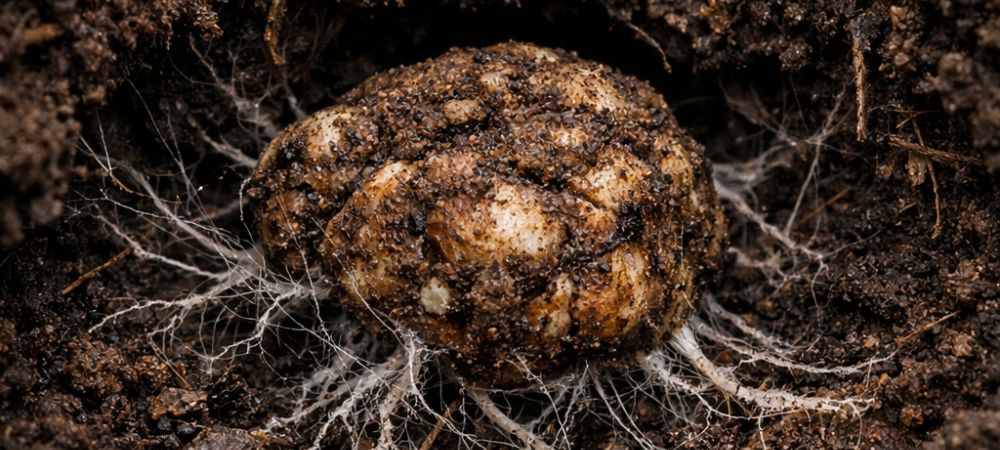
Magic truffles are actually a part of the mushroom itself. When the fungus encounters less-than-ideal growing conditions, it stores nutrients underground in the form of dense, compact masses. These underground structures are known as sclerotia—commonly referred to as magic truffles.
Nothing more. Nothing less.
No secret laboratories. No rogue scientists. No industrial processing. It’s pure natural survival. The fungus essentially saying, “Just in case conditions get tough, I’ll store energy down here.” Pretty smart, actually.
Why are they called “Truffles” if they aren’t culinary truffles?
Here’s the quick answer: because of how they look. That’s it.
They’re called truffles because:
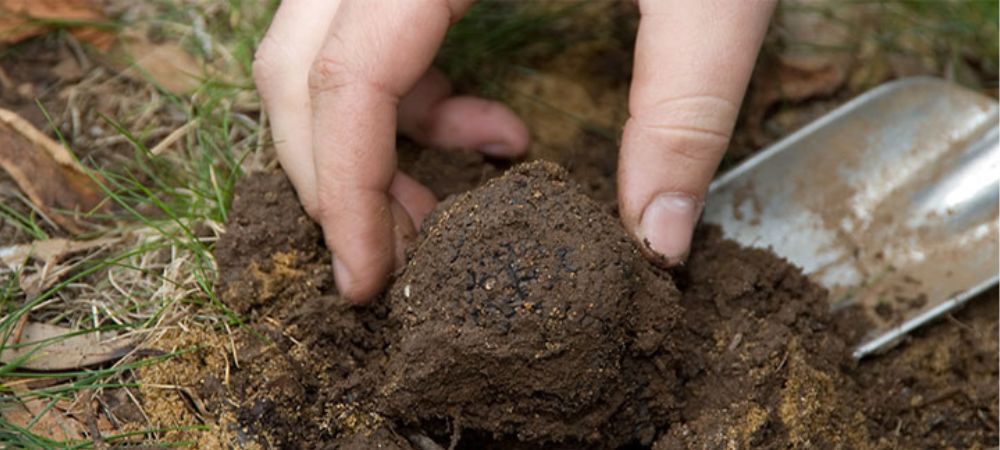
- They grow underground
- They are firm and compact
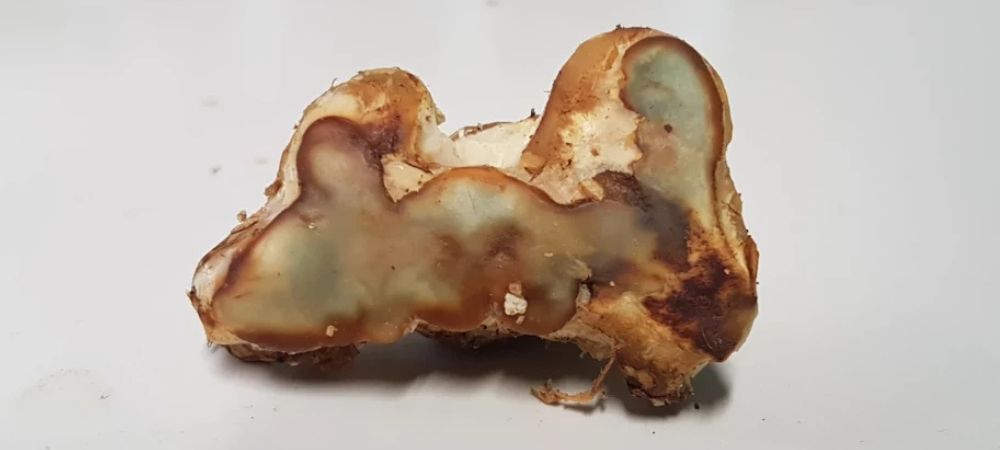
- They have an irregular shape
Not because they’re related to gourmet truffles, not because they taste similar, and not because an Italian chef blessed them in 1897. The name stuck based on appearance. If you were expecting culinary glamour… sorry to disappoint.
What do magic truffles contain?
This is where things get interesting—without any magic wands involved. Magic truffles contain psilocybin, a naturally occurring compound that the body converts into psilocin. In simple terms, this is what alters perception and creates the experience associated with psychedelic truffles.
It’s not about “getting hit” or “getting high.” It’s about changing how you perceive thoughts, emotions, and sensory input.
Thought patterns may shift. Emotions can feel amplified. Music might sound deeper. Laughter can come easily, or moments of silence may suddenly feel meaningful. Nothing is guaranteed, nothing is automatic, and no two experiences are identical. Set, setting, and individual mindset play a far greater role than many people realize.
Are magic truffles the same as magic mushrooms?
Yes—and no. The relationship between magic truffles and magic mushrooms is straightforward: they come from the same organism, but they are different parts of it. The mushroom is the fruiting body that grows above ground; the truffle (sclerotium) develops underground. Same organism, different structure.
That’s why their effects are very similar, even though their appearance and texture differ. Claims that one is “better” than the other are usually based more on anecdote than scientific fact.
For a quick visual comparison, here’s a clear breakdown:
But are magic truffles milder?
This question always comes up. And it’s almost always poorly answered. It’s not that magic truffles are “light,” it’s not that they’re “weak,” and it’s certainly not that “they do nothing.”
The issue is that many people look for numbers where there simply aren’t any. They want to know “how much,” as if we were talking about alcohol or caffeine. But it doesn’t work like that here. Too many factors come into play: the person, the moment, the setting, and the mindset you bring with you. Reducing the experience to “potency” is an oversimplification that doesn’t help anyone.
What people usually feel with magic truffles
Let’s be honest—that’s what we’re here for. The typical experience is not about seeing dragons or talking to the universe (even if the internet insists). What many people describe is a sense of change: things feel different, not necessarily stronger, but definitely more present.
Some people laugh more, others become introspective, some connect ideas they hadn’t connected before, and some simply realize they haven’t truly listened to a song in years.
The effects usually begin 30 to 45 minutes after ingestion and can last up to 6 hours. When the effects start, you might feel nausea or find yourself yawning—don’t panic, that can be part of the package in some cases. After that initial phase, the “journey” begins.
A serious note
Magic truffles are not for everyone. And that’s perfectly fine. They’re not an experience you have to tick off your life list, nor a trend you should follow just because.
If someone isn’t mentally well, is going through a difficult time, or mixes substances they shouldn’t, the experience can become uncomfortable. Not inherently dangerous, but certainly unpleasant. And no, there are no medals for forcing yourself into something you don’t actually want.
The hidden facts about storage and quality
Magic truffles are a natural product. And like anything natural, time is not on their side. Heat, light, and poor storage conditions definitely don’t help.
You don’t need to be an expert to understand this: the fresher and better handled the product is, the better the experience it usually provides. The way you store magic truffles will determine how long they last and whether they retain their properties.
What about legality?
This is a slippery topic, so let’s avoid oversimplifications. The legality of magic truffles depends on the country, the timing, and the context. Laws change, are interpreted differently, and often contain nuances. That’s why it’s wise to be skeptical of phrases like “this is definitely legal” without explaining where, when, and why.
In the case of Spain, pure psilocybin is regulated as a controlled substance, meaning its possession and/or distribution is prohibited. However, when it is found in its natural form—such as unprocessed mushrooms or truffles—the situation changes. Under current Spanish legislation, there is no clear prohibition specifically addressing psilocybin mushrooms, which creates a legal grey area.
Being well informed isn’t paranoia—it’s common sense.
Magic truffles are not what many people imagine—neither as mysterious nor as simple. They’re not a toy, but they’re not a monster either. They are a natural part of a fungus, with effects that depend more on you than on them.
And now, at least, when someone asks you what magic truffles are, you won’t have to nod in silence.