
We live in a fast-paced world, full of responsibilities, screens, notifications, and constant demands. It is not uncommon for many people to look for new ways to manage fatigue, stress, or the feeling of “not being able to keep up with everything.” In this context, adaptogens have gained popularity—natural substances that have been used for centuries in different cultures and are now back in the spotlight thanks to their ability to help the body improve its response to physical and emotional stress.
But before going into detail, it is normal to wonder: adaptogens, what exactly are they? Do they really work? Where do they come from? And, above all, which ones are the most interesting to start with?
In this article, you will find a clear and accessible explanation of adaptogens, how they act in the body, and a selection of five of the most widely used ones today to manage stress and improve general well-being.
Adaptogens: what they are and why there is so much talk about them
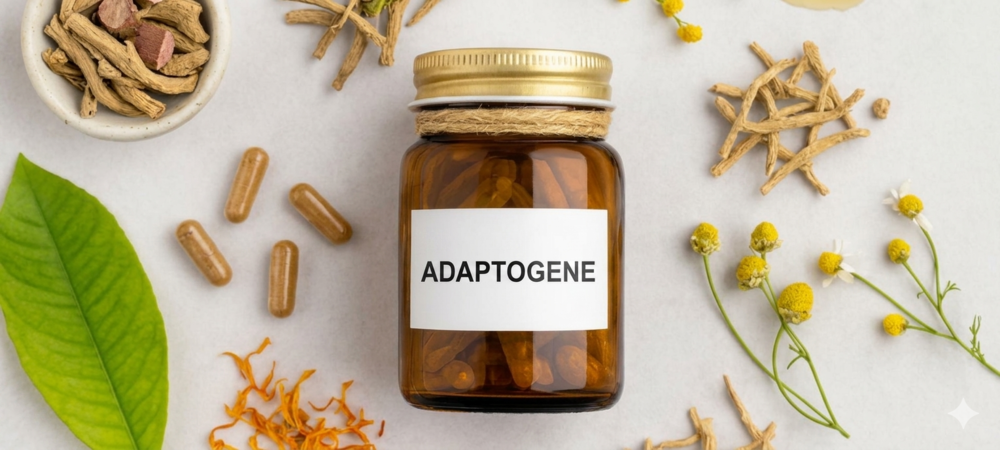
Adaptogens are natural substances found in certain plants, roots, and medicinal mushrooms that help the body adapt better to stressful situations. They work by regulating the nervous system’s response and balancing internal processes that can be affected when we go through periods of high physical or mental load.
Unlike stimulants such as coffee, tea, or certain energy drinks, adaptogens do not “force” the body to perform more, but rather work in a gentler and more sustained way. Their main goal is to support the body’s natural balance, reducing stress spikes, preventing burnout, and improving recovery capacity.
Something interesting is that many of them have been used for thousands of years in traditional medicines such as Ayurvedic or Chinese medicine. For decades, they were relegated to more specialized environments, but today they are making a strong comeback because they have become a natural tool for those seeking well-being without resorting to harsh substances.
How do adaptogens act in the body
To understand how they work, imagine the body as a kind of shock-absorption system. When you experience a stressful situation, an urgent delivery, bad news, or an especially intense day, your body reacts by releasing cortisol and adrenaline. In normal amounts, this is completely healthy. The problem arises when stress becomes chronic.
Adaptogens help regulate this response and prevent the body from remaining in a state of alert for too long. Among their most notable actions are:
- Balancing cortisol production.
- Promoting better rest.
- Increasing physical and mental endurance.
- Improving concentration.
- Offering a calming effect without sedation.
It is important to emphasize that adaptogens do not act immediately. Their benefits are usually noticed after continuous use, as they support internal processes that need time to balance out.
The 5 most used adaptogens to fight stress
Below, we present five very popular adaptogens backed by a long tradition of use. They all stand out for helping to fight stress, but each has particular nuances and benefits.
1. Ashwagandha: tranquility and emotional balance
Ashwagandha is probably the most well-known adaptogen today. It comes from Ayurvedic medicine and is famous for its ability to improve the response to stress and promote mental calm.
Its most important effect is related to the reduction of cortisol levels. Many people use it during times of anxiety, insomnia, or mental overload, as it helps to relax without causing drowsiness. In addition, it is being researched for its potential benefits in cognitive performance, memory, and physical recovery.
Ashwagandha is ideal for those looking for an adaptogen that promotes serenity and improves concentration capacity.
2. Rhodiola Rosea: sustained energy and mental clarity
Rhodiola is an adaptogen of Siberian origin highly valued for its ability to fight extreme fatigue and mental exhaustion. Many consider it an “anti-stress” plant par excellence, especially useful in periods of high work or study load.
It is known for providing stable energy, without the ups and downs produced by stimulants. It also helps improve concentration, productivity, and physical performance in demanding situations.
If you are one of those who feel like you “can’t take any more,” rhodiola can be a great support.
3. Ginseng: vitality and general endurance
Ginseng, used in traditional Chinese medicine for centuries, is one of the most complete and versatile adaptogens. There are different types (such as Asian ginseng and American ginseng), but in general, they all share the ability to increase vitality, strengthen the immune system, and improve resistance to physical and mental stress.
Many people turn to it when they feel fatigued or when they need to improve their daily performance. Ginseng not only fights stress but also contributes to balancing the body, improving circulation, and offering a revitalizing effect without being overly stimulating.
4. Reishi: the mushroom of deep calm
Reishi is a medicinal mushroom highly valued in Eastern culture, known as “the mushroom of immortality” for its multiple properties. Among its benefits, its calming effect stands out, ideal for those seeking to reduce anxiety, improve sleep quality, and balance the immune system.
Unlike other more energizing adaptogens, reishi is perfect for those seeking a state of deep serenity, especially in times of emotional tension or prolonged wear and tear.
In addition, it is an interesting ally for general well-being, as it is associated with a better immune response and a greater sense of balance.
5. Maca: hormonal balance and natural energy
Maca, native to the Andes, is a unique adaptogen for its benefits on hormonal balance, in both men and women. In addition to helping to reduce stress, it provides natural energy, improves vitality, and promotes mood.
Many people use it to fight fatigue, improve physical performance, and increase the sense of well-being. Its profile is very complete, which is why it has become one of the most popular adaptogens in the world of sports and healthy lifestyles.
Maca is especially interesting for those looking for support in hormonal balance, increased energy, and improved stress resistance.
How to take adaptogens and for how long?
Most adaptogens are found in the form of capsules, powder, or liquid extracts. There is no universal dose, as each product has a different concentration, but it is standard to follow the manufacturer’s instructions or the recommendations of a professional.
Some general tips:
- Start with low doses and increase according to tolerance.
- Maintain consistent use, at least 3–4 weeks, to notice the effects.
- You can combine certain adaptogens, always with caution.
- If you take medication or have pre-existing medical conditions, consult a professional.
Although they are natural substances, they are not free of contraindications in specific cases, so it is always advisable to know each profile well.
Do adaptogens really work?
For many people, adaptogens are a useful tool within a healthy lifestyle. They do not replace a good diet, adequate rest, or emotional management, but they can provide an extra boost of balance and well-being in complicated stages. The best thing about adaptogens is that they work gently, respecting the body’s rhythms and helping the stress response to be more efficient. Their ancestral use supports their current popularity, and there is more and more modern research focused on understanding their mechanisms of action.

Now you know what adaptogens are, how they act in the body, and which are some of the most interesting ones to fight stress. Incorporating them into your routine can be a simple and natural way to improve your well-being, increase your adaptability, and find a little more balance in a day-to-day life that sometimes becomes too intense.